Two advertisers can buy the same format, at the same station, for the same fortnight, and pay materially different amounts. That is not a quirk of negotiation. Tube advertising is priced against zone, trading period, duration, volume and how late you book, and each of those moves the number independently of the others.
This guide explains what each lever does and how much it is worth, so you can build a budget that survives contact with real availability. It is the reasoning behind the rate card rather than the rate card itself.
What moves the price
- Zone
- Zone 1 carries a premium over zones 3 and beyond for the same format, driven by footfall and audience profile.
- Trading period
- January and August are the softest months. The Christmas run-in and September carry the highest rates.
- Digital versus static
- Digital costs more per site but buys flexibility: day-parting, multiple executions and shorter lead times.
- Production
- Poster print and posting is a meaningful share of media cost. Digital artwork is usually a fixed studio fee.
- Duration
- Two weeks is the standard burst. Four and six week bookings usually attract a volume discount.
- Lead time
- Booking six to eight weeks out protects both price and site quality. Late bookings pay for what is left.
- Number of sites
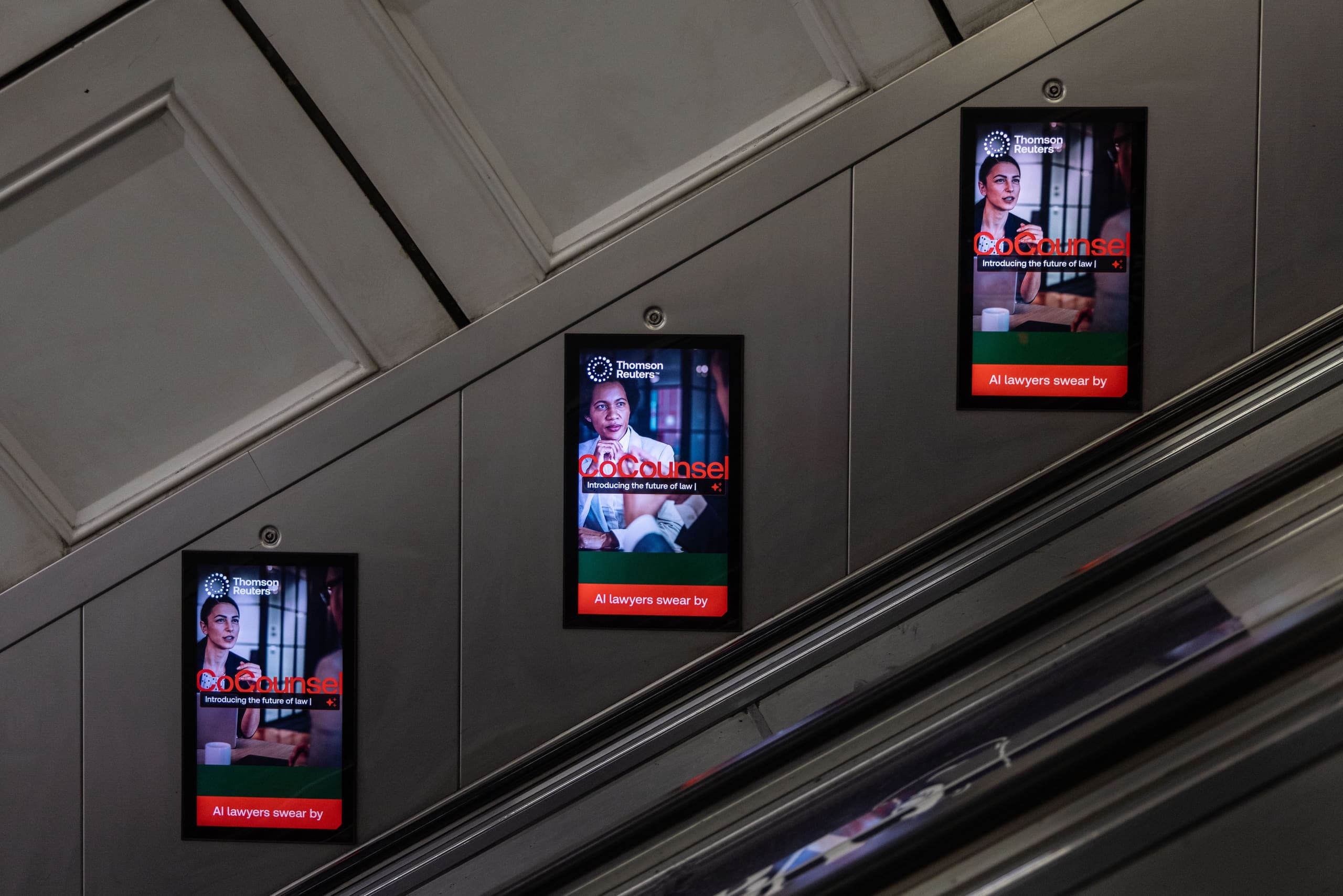
- Posters and digital 6-sheets are priced per panel, escalator panels and dominations per station, car panels per line pack. How many you take is usually the single biggest lever on the total.
Zone and trading period are the two most people underestimate. The same digital 6-sheet costs meaningfully more in a zone 1 interchange than in zone 3, and meaningfully more in the Christmas run-in than in January. If the campaign has any flexibility at all, those two levers are usually where the value is.
What is not in the price
Poster rates on this site include print and production where the format page says so. Where they do not, three things are quoted separately.
- Production — poster print and posting is a meaningful share of a paper campaign. Digital artwork is usually a fixed studio fee.
- Artwork origination, if we are producing rather than adapting supplied assets.
- VAT.
Minimum bookings, and what they do to the entry price
Three formats cannot be bought in ones and twos, and this catches people out more than any other single thing on a first plan. Tube car panels carry a minimum of 550 panels per booking. Escalator panels carry a minimum of ten. Four-sheet posters carry a minimum of five. A rate of a few pounds per panel is not an entry price when the minimum is measured in hundreds.
| Format | Indicative cost | Buying unit |
|---|---|---|
| Tube car panels | Indicative cost£18 | Buying unitper panel, per 2 weeks, minimum 550 panels |
| Escalator panels (static) | Indicative cost£300 | Buying unitper panel, per 2 weeks, minimum 10 panels |
| 4-sheet posters | Indicative cost£750 | Buying unitper panel, per 2 weeks, minimum 5 posters |
Planning guidance, excluding VAT. Poster rates include print and production where stated. Confirmed with the media owner at booking.
The formats without a stated minimum are not therefore unlimited: what is buyable still depends on what exists at the stations you want and what is unsold for your dates. A minimum is a rule about the product; availability is a fact about a fortnight, and only the second one is checked with the media owner when we plan.
How to budget for a Tube campaign
Build the budget around the levers rather than around a target number. Four decisions do most of the work, and all four are yours to make before anyone quotes you.
- Book six to eight weeks out. Late buys pay for what is left, in both price and site quality.
- Consider January and August. They are the softest months and usually the best value.
- Run longer. Four and six-week bookings normally attract a volume discount over the two-week rate.
- Concentrate. One station done properly beats three done thinly, on almost any budget.
The last of those is the one advertisers most often get wrong. Spreading a fixed budget across more stations reduces the number of sites at each one, and a campaign that nobody notices twice is a campaign that has bought reach without frequency.
None of the figures on this site are quotes. They are the ranges we plan against, and a real number comes back with a site list once we have the brief and know what is actually available for the dates. If you are at the stage of building a station list, the choice of where usually moves the total more than the choice of what.
Sources and references
- Media owner rate cards — Every price on this site is indicative planning guidance, confirmed with the media owner at booking.
- Transport for London — network and station data — Station counts, line data and fare zones.