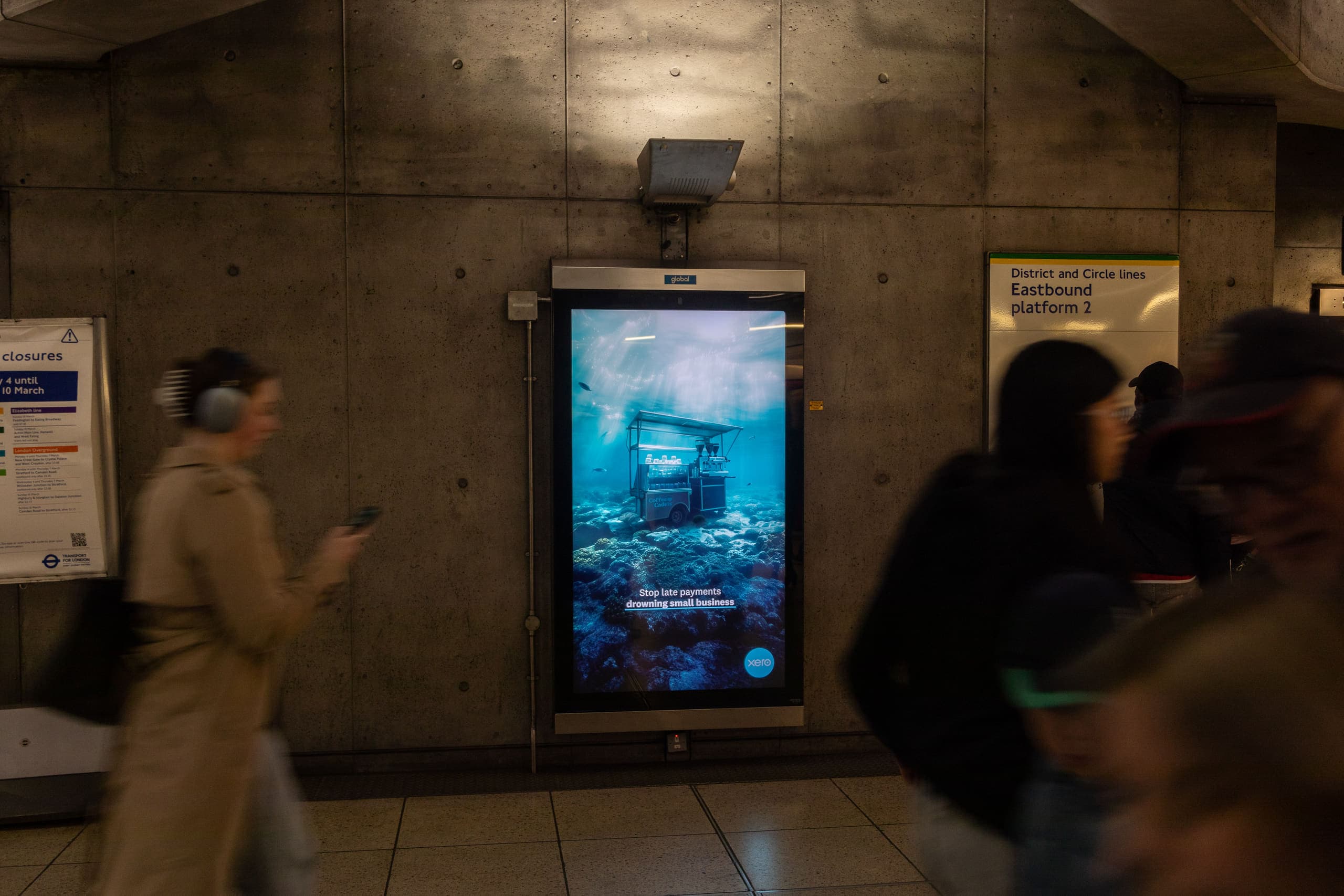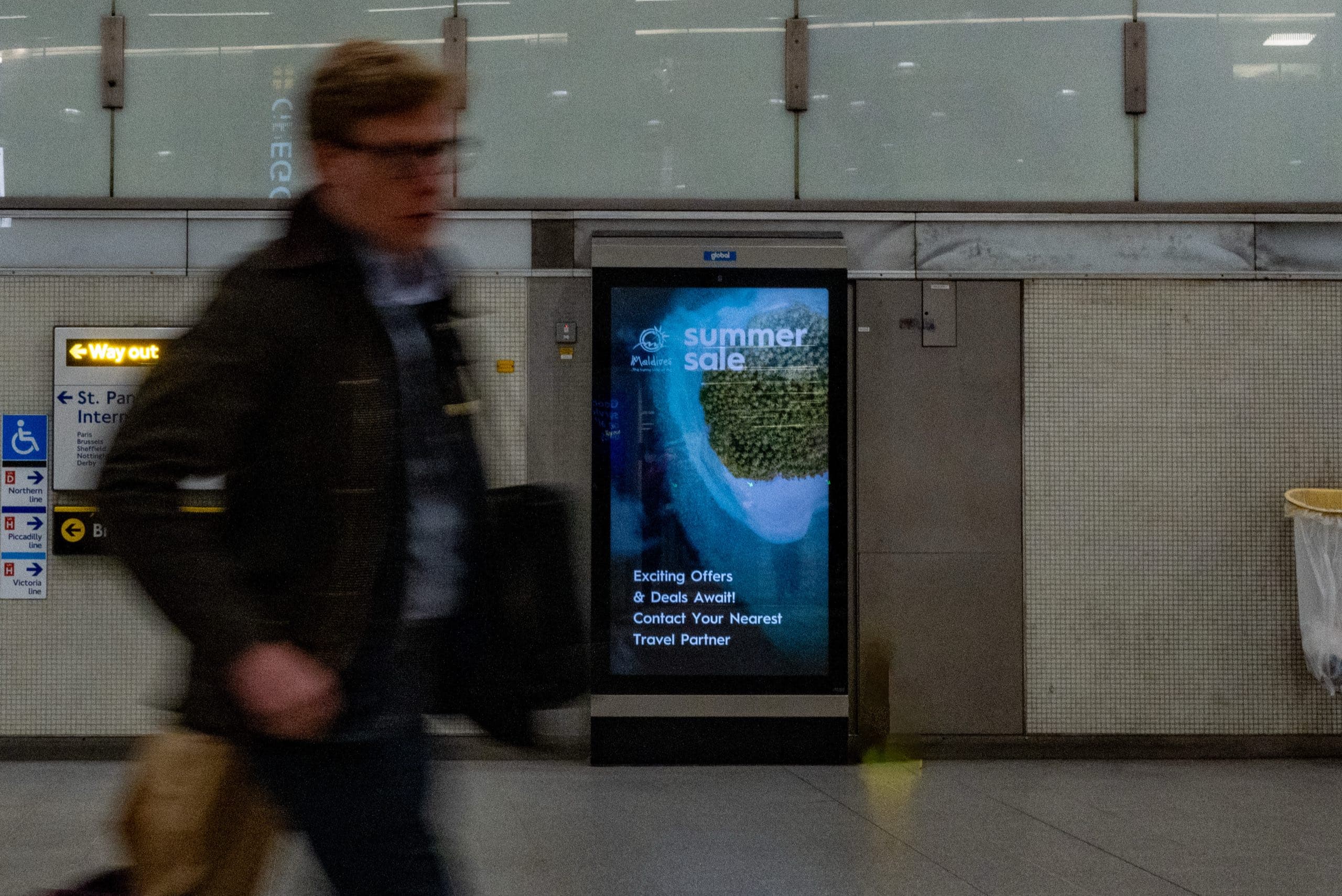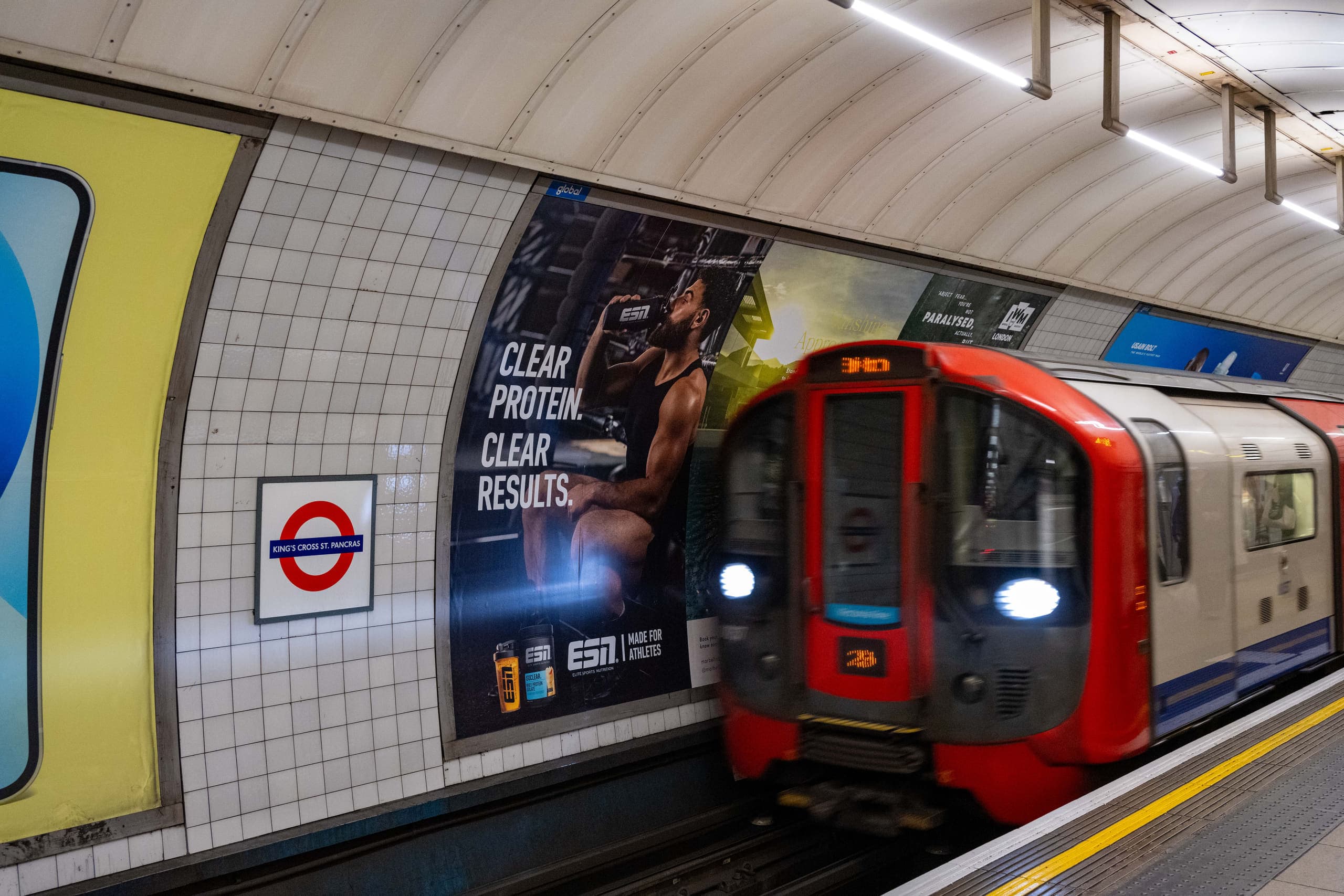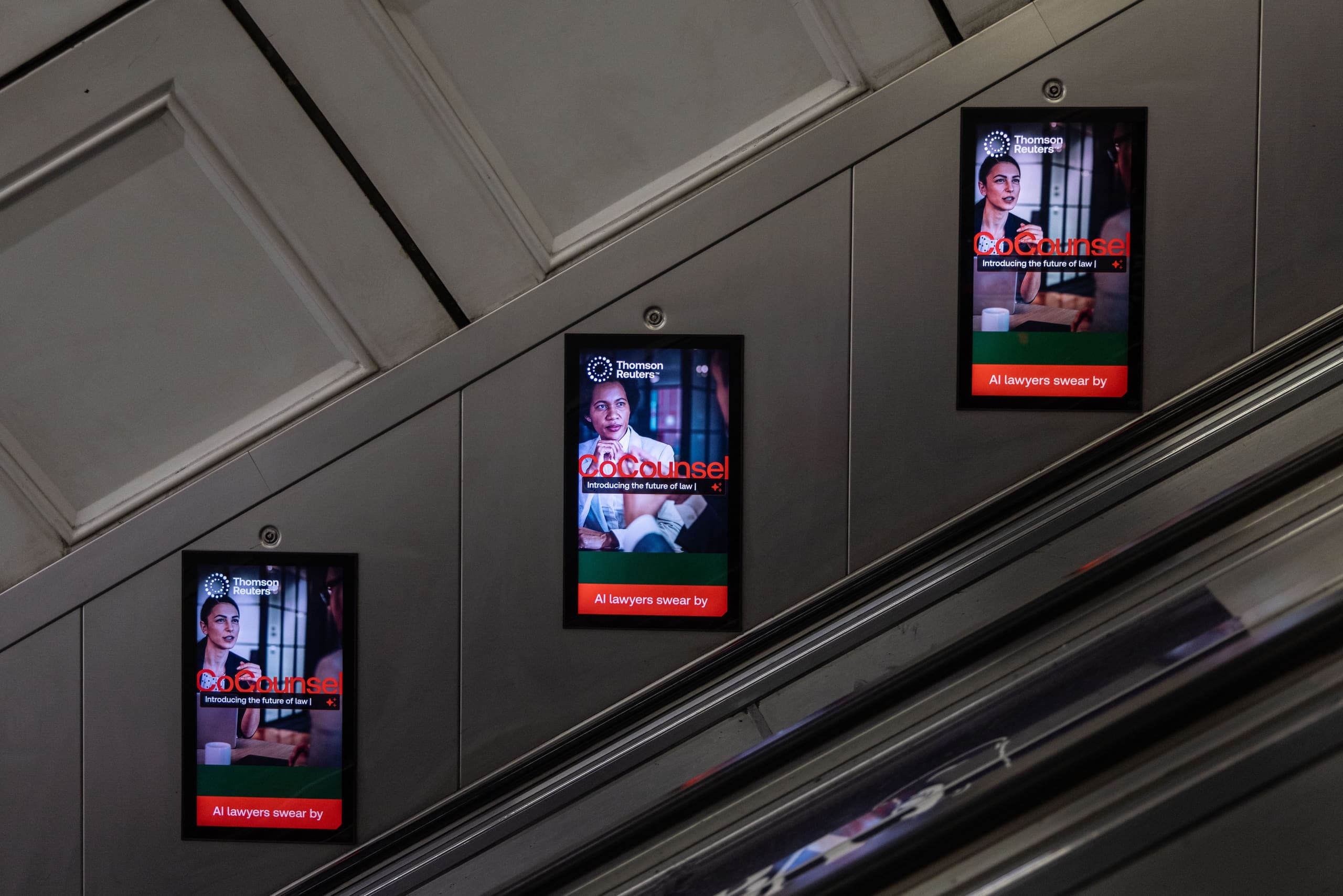
From first brief to on-air date is usually six to eight weeks, and most of the risk sits in the last fortnight of it. This is the sequence, and where campaigns typically slip.
This guide assumes you already know roughly how a Tube campaign is bought. If the mechanics are the unfamiliar part — who holds the inventory, what an availability check actually is — that is covered separately and is worth reading first.
The sequence
- Brief — audience, budget, window. Three things, and everything else follows from them.
- Plan — format mix, station list, panel counts and an indicative cost.
- Availability — the media owner confirms what is actually open for those dates.
- Booking — sites are held and the copy deadline is set.
- Artwork — supplied to specification, then copy clearance.
- Posting or play-out — proof of posting for paper, play-out reporting for digital.
Choosing the window
Two weeks is the standard burst and the unit most rates are quoted against. Four and six weeks are common for launches and usually attract a volume discount. Where the campaign has a fixed moment — an event, a sale, a product on shelf — work backwards from it and buy the run-up rather than the moment itself.
What a useful brief contains
A plan is only as good as the brief underneath it, and the briefs that come back fastest are rarely the longest. Three things do most of the work: who you are trying to reach and where they are, what you can spend, and when it has to be live. Everything else — format mix, station list, panel counts — is our job to propose from those.
- Audience and geography — the area or type of location that matters, rather than a demographic label.
- Budget, or a range. A range is genuinely fine; it changes the shape of the plan, not our willingness to write one.
- Dates, and whether they are fixed. A fixed date costs more than a flexible one.
- What the campaign has to do — awareness, a launch moment, footfall to a specific address.
- Anything already decided: an existing artwork, a station you must be in, a format you have used before.
Working backwards from a fixed date
When the on-air date cannot move, plan from it in reverse rather than forward from today. The copy deadline sits ahead of the start, artwork has to clear before that, and availability has to be confirmed before artwork is worth commissioning. Each step depends on the one before it, which is why a week lost early is a week lost at the end.
Standard formats are comfortable at six to eight weeks. A station domination needs longer, because only one advertiser holds the station and the strongest dates go early. If a date is genuinely immovable and the lead time is already short, say so at the brief stage — it changes which formats are realistic, and that is a better conversation to have before a plan is written than after.
Planning by station, by line, or by both
Most plans are built as a station list, because most briefs describe places. Some briefs describe journeys instead — a commuter route into a business district, a line that runs past every one of your stores, an audience defined by where it is going rather than where it stops. Those plan more naturally along a line than across a set of individual stations, and the site can be read either way.
The two are not alternatives so much as different starting points, and they meet in the middle: a line plan still resolves to specific stations before anything is booked, and a station list still has to make sense as a journey if the audience is commuting. Tube car panels are the one format bought against the line rather than the station, which is why they behave differently from everything else on a plan.
Trading periods
January and August are the softest months on the network and usually the best value. September and the Christmas run-in are the hardest to buy and carry the highest rates. If the campaign has no fixed date, this is the single easiest lever on cost.
- Zone
- Zone 1 carries a premium over zones 3 and beyond for the same format, driven by footfall and audience profile.
- Trading period
- January and August are the softest months. The Christmas run-in and September carry the highest rates.
- Digital versus static
- Digital costs more per site but buys flexibility: day-parting, multiple executions and shorter lead times.
- Production
- Poster print and posting is a meaningful share of media cost. Digital artwork is usually a fixed studio fee.
- Duration
- Two weeks is the standard burst. Four and six week bookings usually attract a volume discount.
- Lead time
- Booking six to eight weeks out protects both price and site quality. Late bookings pay for what is left.
- Number of sites
- Posters and digital 6-sheets are priced per panel, escalator panels and dominations per station, car panels per line pack. How many you take is usually the single biggest lever on the total.
Sources and references
- Media owner rate cards — Every price on this site is indicative planning guidance, confirmed with the media owner at booking.