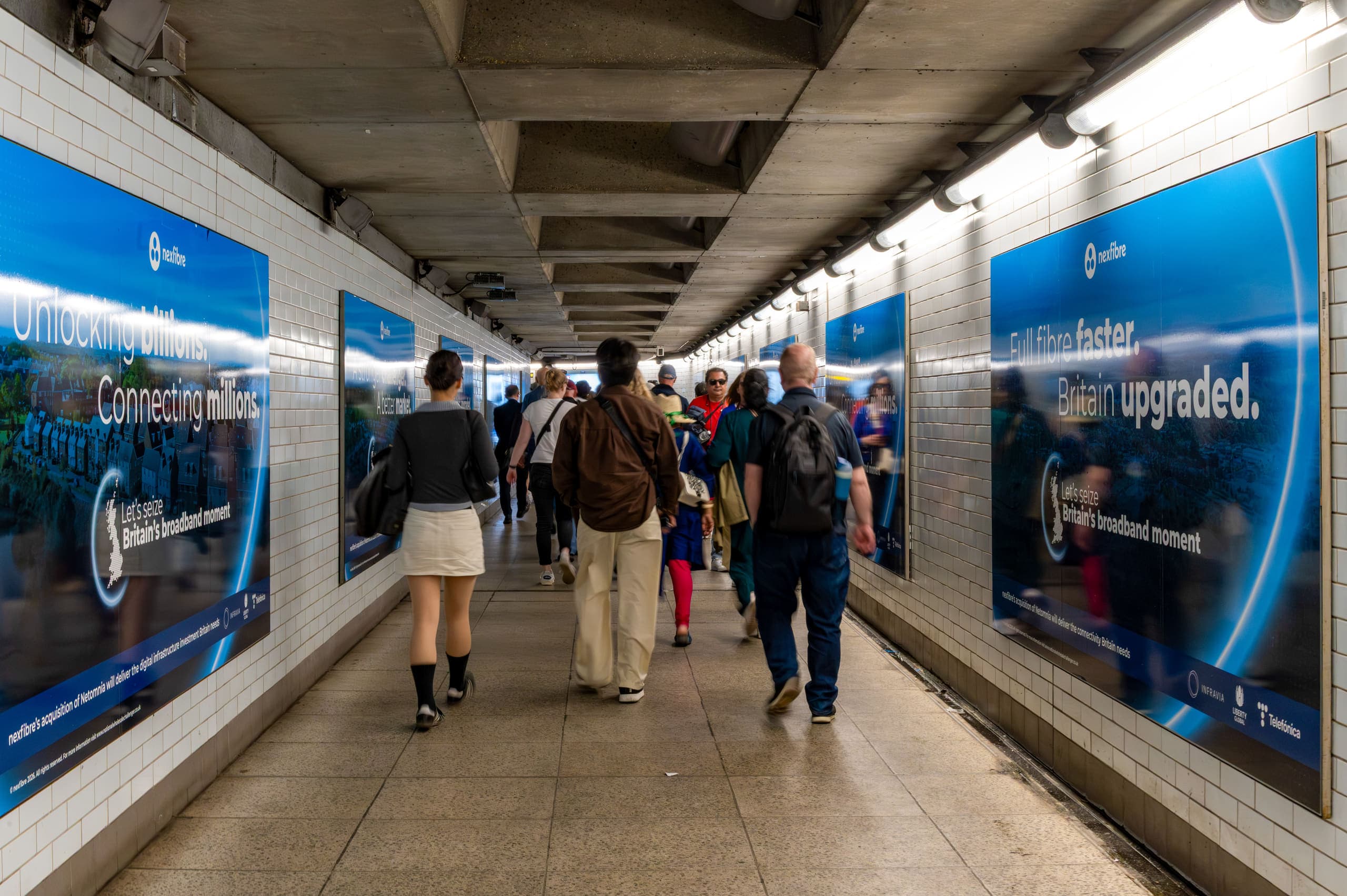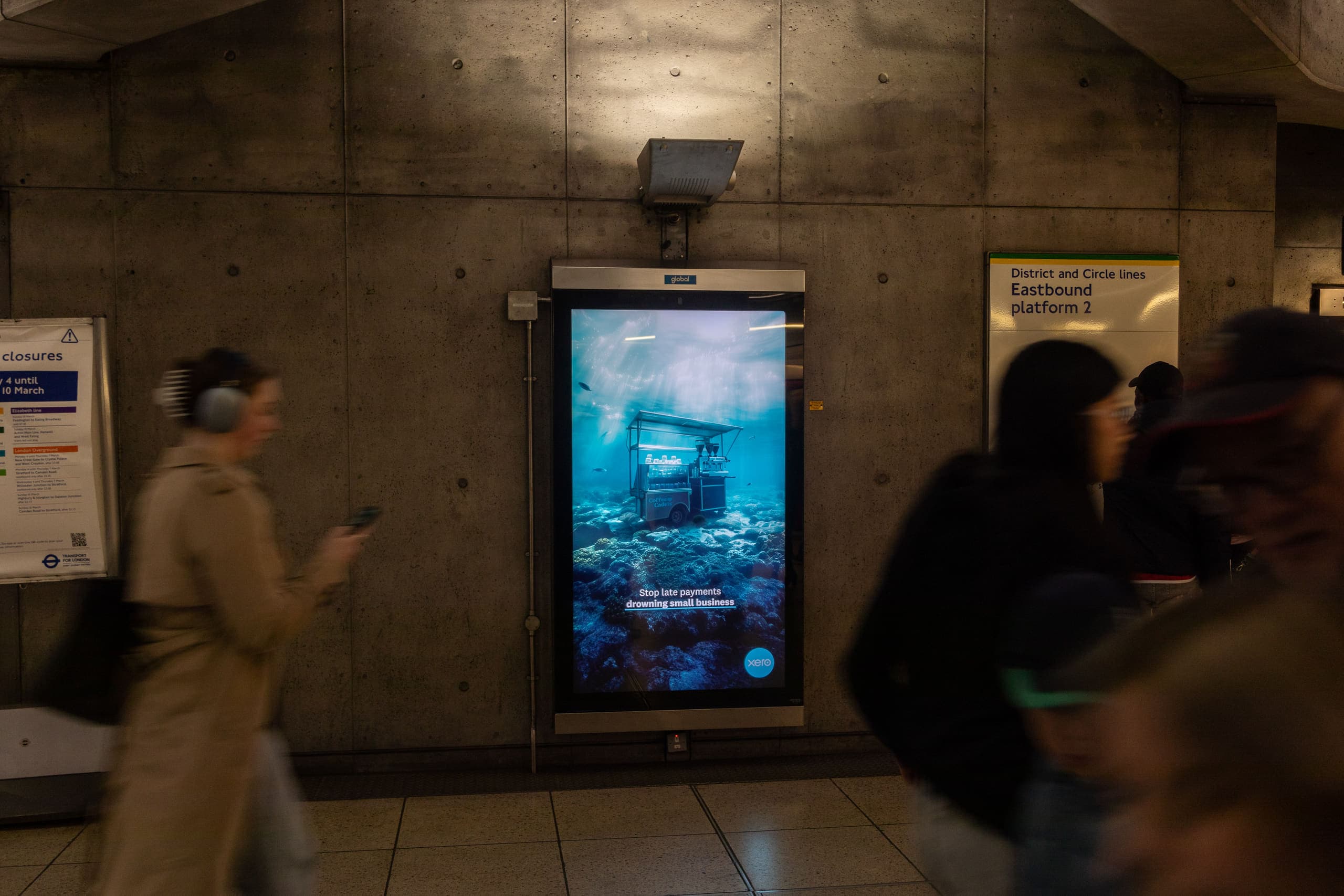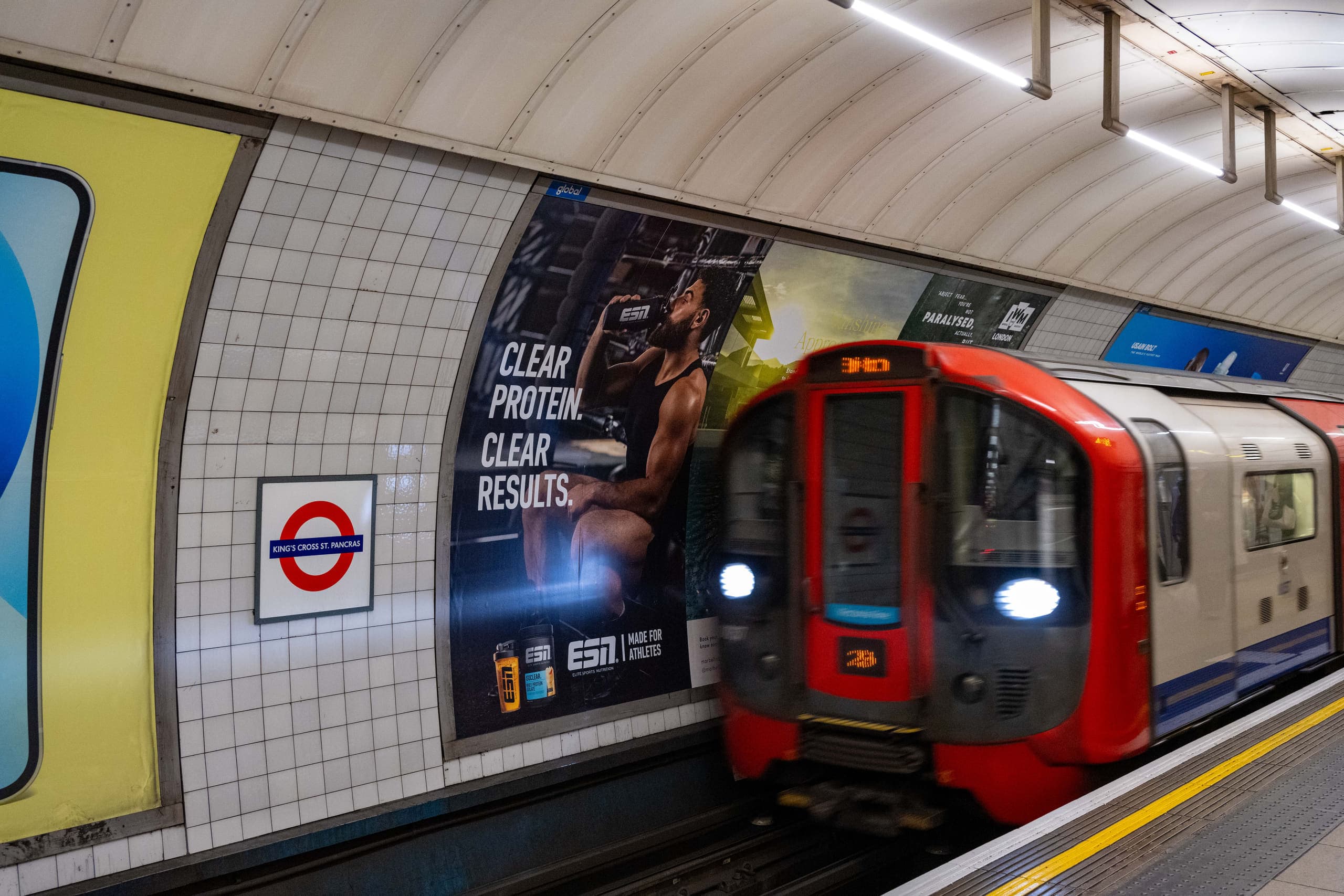
The question is never which station is busiest. It is which station puts your work in front of the right people often enough to matter, at a rate you can justify. Those are rarely the same place.
Why footfall is the wrong first question
The highest-footfall stations are the most expensive and the most contested, and most of the people passing through them are not your audience. A station with a third of the volume but a catchment that matches your product will usually deliver more useful coverage per pound.
It is also worth knowing how solid the underlying numbers are before leaning on them. The network totals are published by TfL; the station level entry and exit figures shown on this site are estimates, and we say so wherever they appear.
Four kinds of station
- Interchanges — the widest audience mix and the highest volume. Long tunnels mean repeated exposure on a single journey.
- Termini — people wait under departure boards rather than moving through, so longer copy earns its place.
- Destinations — retail, venues, offices or hospitals within a short walk. Intent is already in the audience.
- Residential — outer-zone stations with a defined catchment and rates to match. Efficient for local businesses.
Zone and rate
Zone 1 carries a premium over the outer zones for the same format. That premium is often worth paying and often not: for a local service with a five-mile catchment it rarely is, and for a national launch it usually is. The zone filter in the station finder exists to make that trade-off visible rather than assumed.
Building a station list
- Define the audience before looking at any station.
- Shortlist on catchment, not volume.
- Check the formats each shortlisted station can actually carry.
- Weight the budget towards frequency at fewer stations rather than presence at many.
- Confirm availability before committing — inventory moves, and a station domination can only be held by one advertiser.
If the shortlist keeps coming back to a corridor rather than a set of separate places — a commuter route, a line that passes your catchment end to end — it is worth building the plan by line instead and letting the stations fall out of it. The two approaches meet at the same booking; they just start from different ends of the brief.
Not every station carries every format
This is the step most shortlists skip, and it is the one that quietly rewrites them. Stations differ in what they physically hold, not just in how busy they are. Our inventory records show eleven of the fifteen formats at Oxford Circus, including digital escalator panels and cross-track 16-sheets. At Brixton the same records show paper formats and static escalator panels. Both are useful stations; they are not interchangeable, and a plan built on a format the station does not carry falls apart at the availability stage.
A shortlist in practice
Say you are launching a product sold in central London shops and you have a fortnight in September. Interchanges give you volume and repeated exposure on one journey, so Bank & Monument and King's Cross St Pancras earn a look. A destination station near the shops themselves does a different job: Bond Street sits in the middle of the catchment, and our records show both paper 6-sheets and cross-track posters there, which is exactly the pairing the Encore campaign used.
That is three stations, not fifteen. A fortnight of budget spread across three locations buys enough sites at each to be noticed twice; the same money across fifteen buys a single panel in places nobody will pass again. If the shortlist keeps growing, the honest move is to cut the geography rather than thin the presence.
Our station finder covers every advertising location across the Underground, the Elizabeth line and the DLR. Locations with full audience notes are the ones we have written up so far; the rest carry their structural detail, and we profile them for your brief at planning stage.
Sources and references
- Transport for London — network and station data — Station counts, line data and fare zones.
- The out of home audience currency — Coverage and frequency measurement for the out of home sector.