Nobody buys London Underground advertising off a shelf. There is no checkout, no published rate card, and no way to see what is free next month without asking. What actually happens is a short sequence of checks: what you want, what physically exists where you want it, what is unsold for your dates, and what that combination costs. This guide walks through that sequence from the buyer's side.
It is the companion to the planning guide rather than a repeat of it. That one covers the schedule — how long each stage takes and how to work backwards from a fixed on-air date. This one covers the transaction: who is involved, what is checked, and how an indicative rate turns into a campaign.
Who sells London Underground advertising
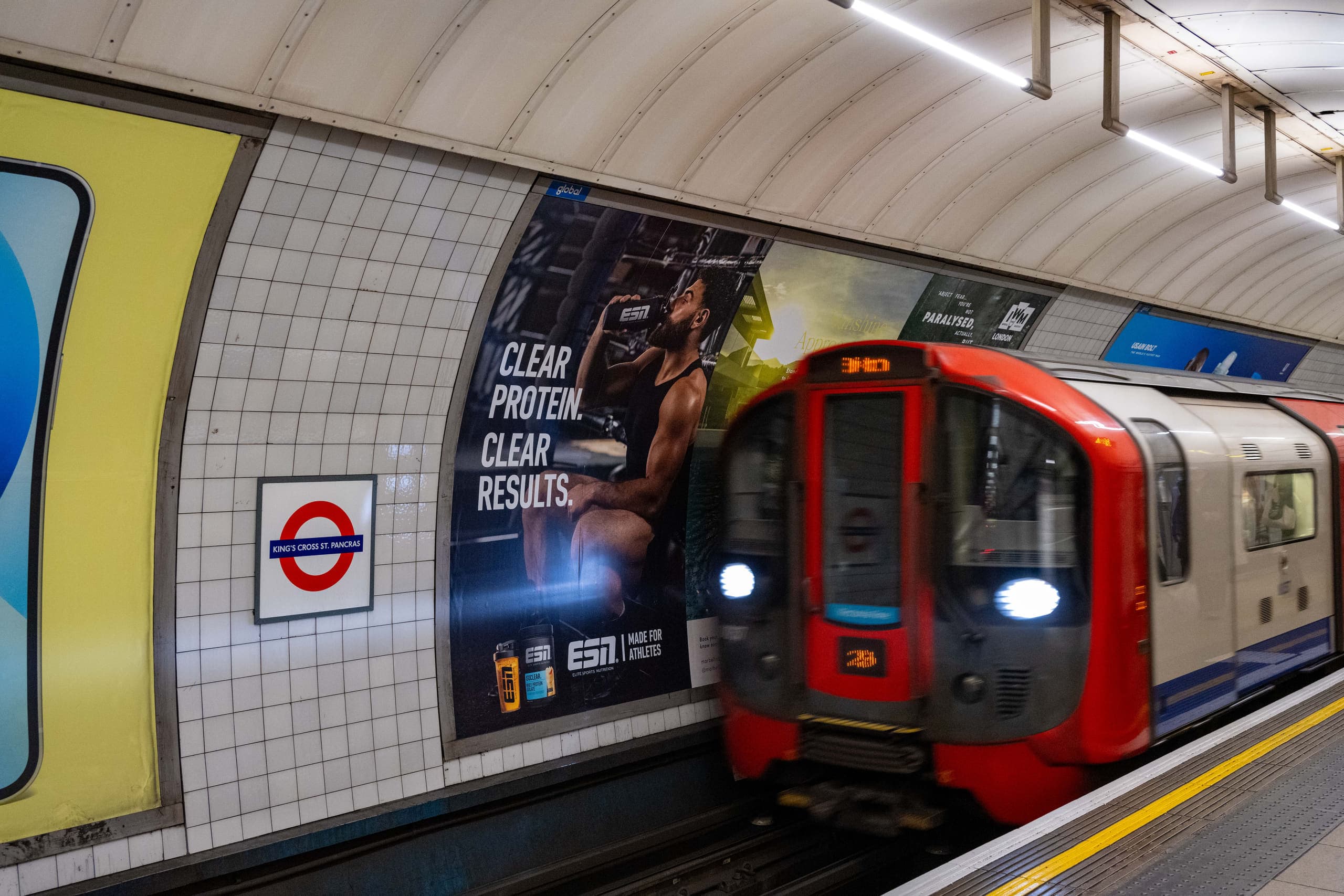
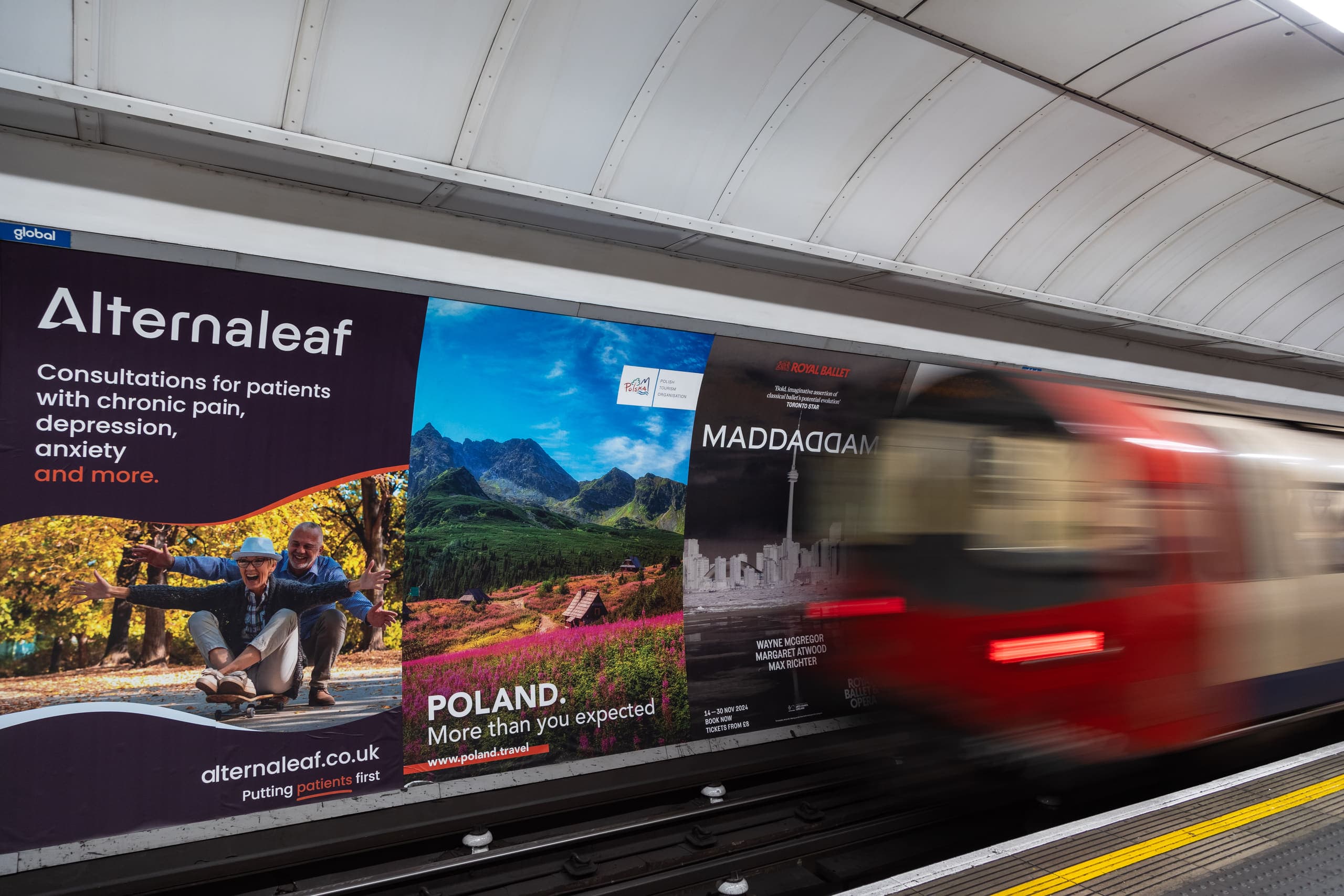
Transport for London owns the stations and the trains. It does not sell the advertising itself. The advertising estate is held under concession by media owners, who install and maintain the sites, hold the availability, set the rates and issue the technical specifications artwork has to meet. When you see a poster on a platform or a screen beside an escalator, the frame belongs to a media owner operating on TfL's estate.
That matters for a practical reason: the media owner is the only party who can confirm that a specific site is free for specific dates. Everything before that confirmation — including every figure on this site — is planning guidance. It is why no page here says a format is available at a station, only that it is recorded there.
What an out of home specialist does
A specialist sits between the advertiser and the media owners. The useful part is not access — anyone can make a phone call — but the work either side of it: turning a brief into a plan that will survive an availability check, knowing which formats a station actually carries before proposing them, and comparing options that are quoted in different units.
- Translating an objective into a format and station mix rather than starting from a format.
- Checking recorded inventory before a station goes on a shortlist, so the plan does not collapse at the availability stage.
- Putting rates quoted per panel, per station and per line pack onto the same basis so they can be compared.
- Holding the specification and clearance process, which is where most campaigns lose time.
- Confirming availability with the media owner before anything is committed.
What goes into the first brief
Less than most people expect. Three things carry the plan: who you want to reach and roughly where, what you can spend, and when it needs to be live. A budget range is genuinely enough — it changes the shape of the plan rather than whether one gets written. Everything else is the specialist's job to propose.
How stations and formats are checked
This is the step that separates a plan from a wish list, and it happens in two stages that are easy to confuse.
| Stage | What it answers | What it does not answer |
|---|---|---|
| Recorded inventory | Whether a format physically exists at a station, according to the inventory records we hold. | Whether any of it is free, still installed, or bookable for your dates. |
| Availability check | Which specific sites are unsold for your specific dates, confirmed with the media owner. | Nothing is assumed — this is the only stage that can hold a site. |
Every station page on this site shows the first stage and says so in as many words. The formats listed at a station are the ones our records show it carries; they are not an availability list. The second stage happens once there is a brief and a set of dates, and it is the only point at which anyone can tell you a site is yours.
Buying units and minimum bookings
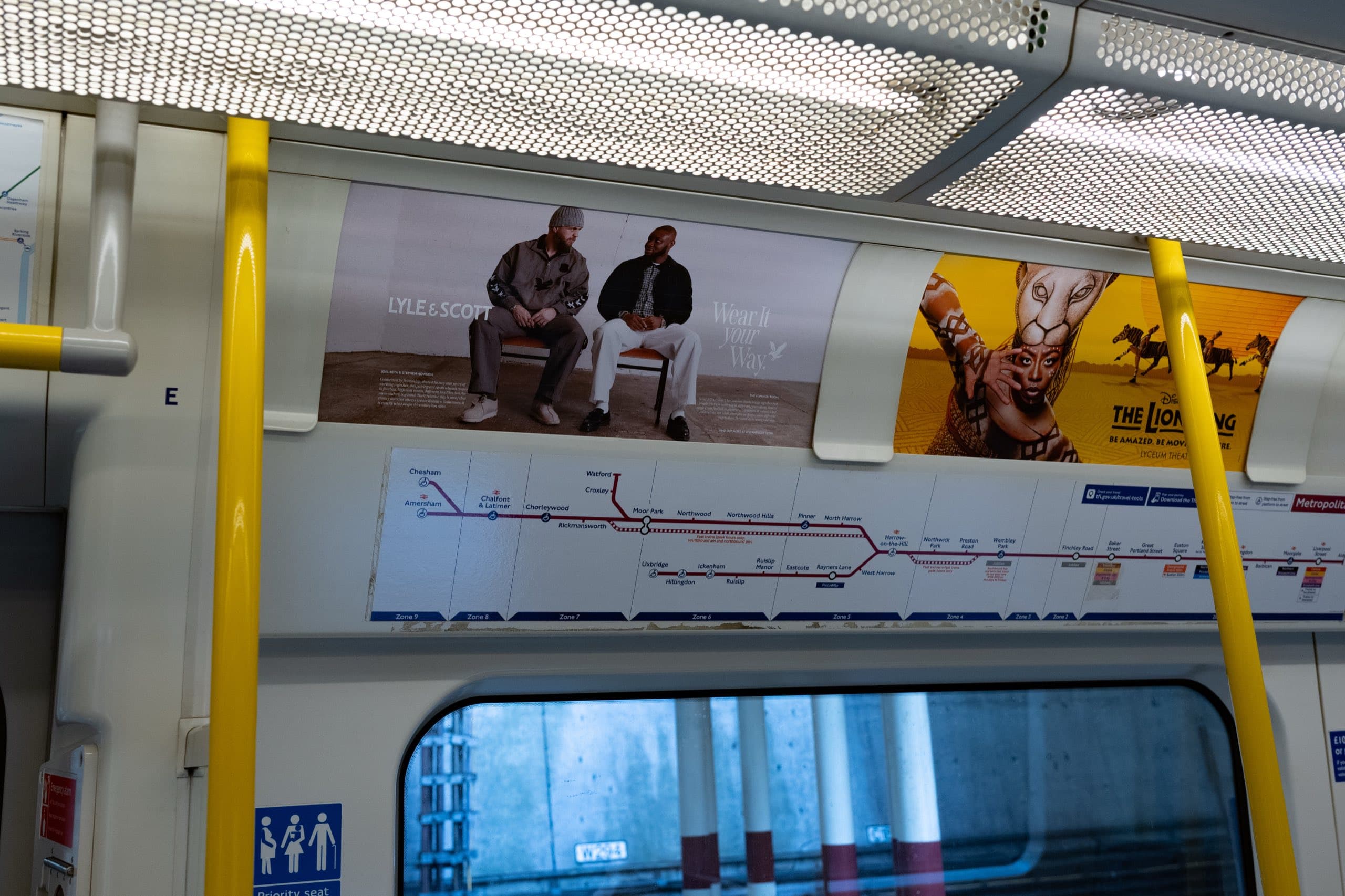
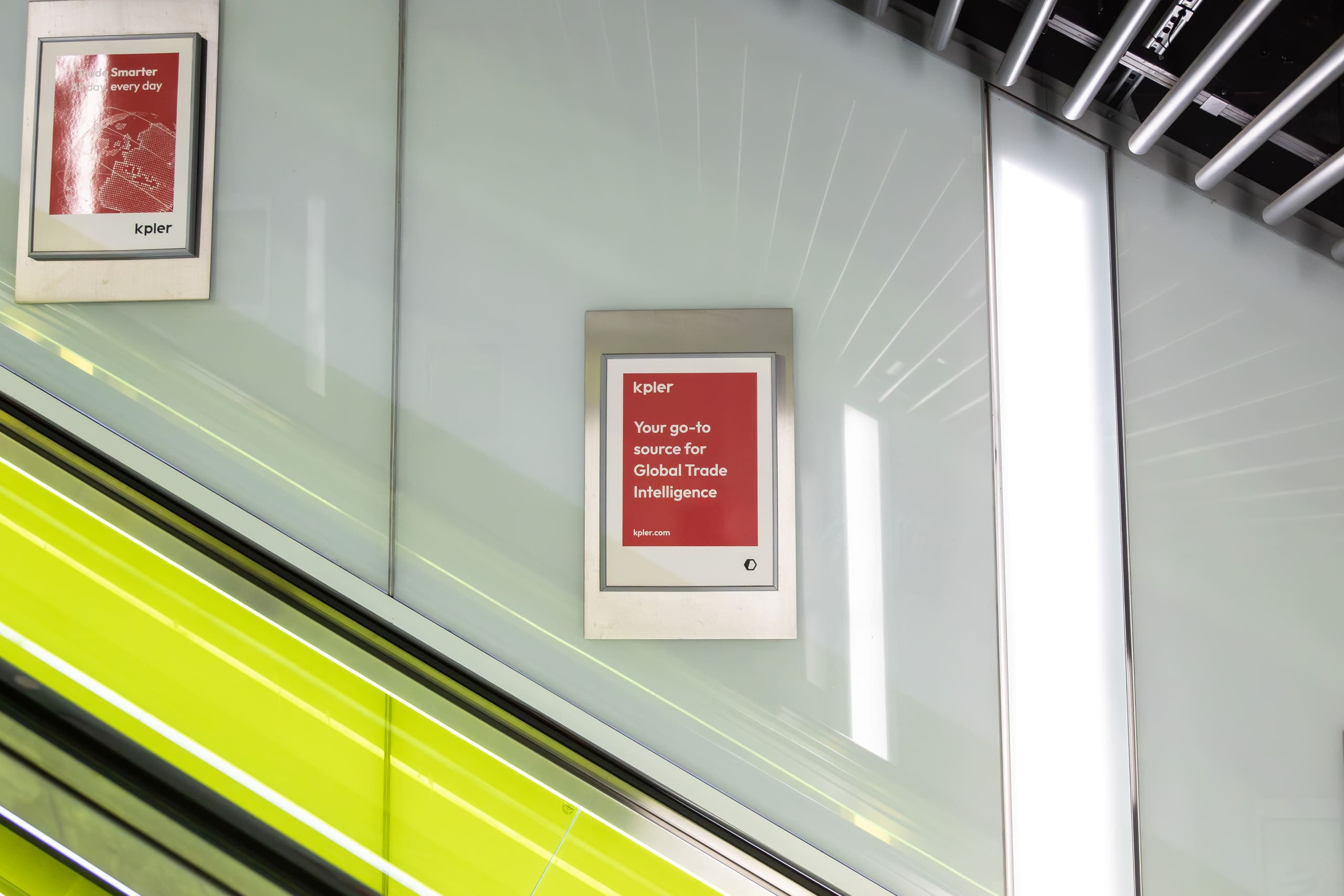
Tube advertising is not quoted on one basis, and this is the most common source of confusion in a first quote. Posters and the smaller digital screens are priced per panel. Escalator panels and station dominations are priced per station. Tube car panels are priced per panel but sold as a line pack. A rate cannot be compared with another rate until you know which of those it is.
Three formats also carry a minimum booking, which sets the entry price regardless of how few sites you want. The rate and the minimum have to be read together.
| Format | Indicative cost | Buying unit |
|---|---|---|
| Tube car panels | Indicative cost£18 | Buying unitper panel, per 2 weeks, minimum 550 panels |
| Escalator panels (static) | Indicative cost£300 | Buying unitper panel, per 2 weeks, minimum 10 panels |
| 4-sheet posters | Indicative cost£750 | Buying unitper panel, per 2 weeks, minimum 5 posters |
Planning guidance, excluding VAT. Poster rates include print and production where stated. Confirmed with the media owner at booking.
Two weeks is the standard trading unit across the network and the period every rate on this site is quoted against. Longer flights are normal; shorter ones are a question for the availability check rather than something to assume. The full range of formats, with what each is bought by, is set out in the format comparison.
How an indicative rate becomes a quote
The figures published on this site are the ranges we plan against. They are not quotes, and they are not what you will necessarily pay. A real number comes back once three things are known: which sites are actually free for your dates, how many of them you are taking, and when in the year the campaign runs.
- The brief sets the audience, the budget and the window.
- The plan proposes a format and station mix against recorded inventory, with indicative costs.
- The availability check establishes what is genuinely open for those dates.
- The quote prices what is available, in the units each format is sold in.
- Anything not included in the media cost — production, artwork origination, VAT — is set out separately rather than folded in.
What is confirmed before you commit
Before anything is signed, the plan should tell you the specific sites, the exact dates, the media cost, what is and is not included, and the copy deadline. Commercial terms — payment, cancellation and anything campaign specific — are confirmed as part of that plan rather than assumed from a rate card, because they vary by media owner and by booking.
Where artwork and copy approval fit
Artwork runs alongside the booking rather than after it. Once sites are held, the specification for those specific sites is issued, artwork is built to it, and it goes through copy clearance before the on-air date. The copy deadline sits ahead of the start, which makes it the real deadline: a clearance amend with no time left costs either the execution or the start date.
After the booking
Paper campaigns are posted and evidenced with proof of posting. Digital campaigns are played out and evidenced with play-out reporting. Both tell you the campaign ran as booked; neither tells you how it performed, which is a separate question with its own methods.
What to prepare before asking for a quote
- The audience and roughly where they are — an area or a type of location, not a demographic label.
- A budget, or a range. A range is fine and speeds things up rather than slowing them down.
- The dates, and whether they can move. Flexible dates are worth money.
- What the campaign has to achieve — awareness, a launch moment, footfall to a specific address.
- Anything already fixed: an existing artwork, a station you have to be in, a format you have used before.
With those five things a plan can be written and costed. Without dates, nothing can be checked for availability, which is why the window is the one item worth pinning down before making contact.
Sources and references
- Media owner rate cards — Every price on this site is indicative planning guidance, confirmed with the media owner at booking.
- Transport for London — network and station data — Station counts, line data and fare zones.